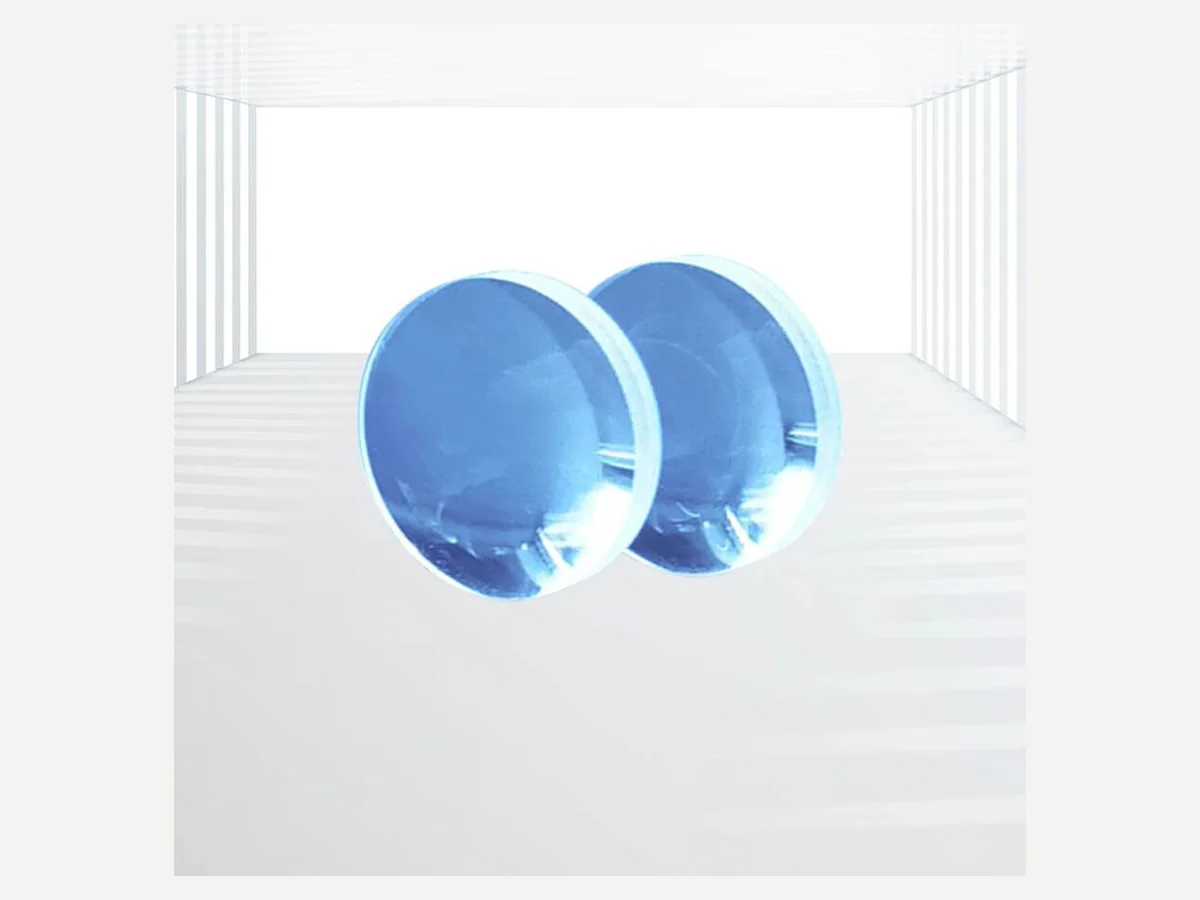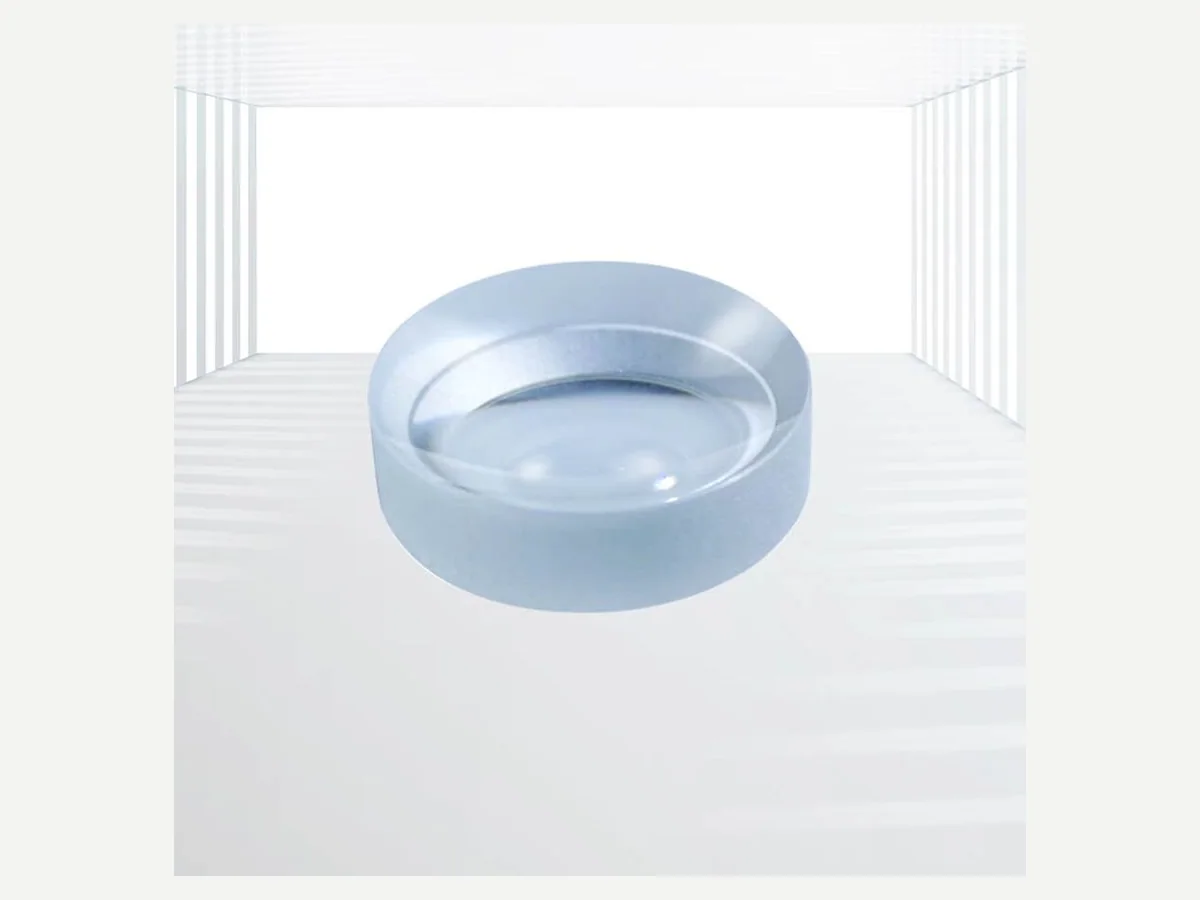
Representative image. Final geometry, finish and coating are confirmed from your drawing.
Reference · TO-PCV-NBK7
N-BK7 Plano-Concave Lens
Lenses
A single-element negative lens for beam expansion, divergence and compensating optical power in a compact layout.
Typical values
| Parameter | Reference |
|---|---|
| Material | N-BK7 / H-K9L |
| Diameter | Ø2–150 mm standard; Ø150–300 mm by review |
| Focal length | Negative; to drawing |
| EFL tolerance | ±2% |
| Center thickness | To drawing |
| Thickness tolerance | ±0.015–0.03 mm by diameter |
| Surface figure | λ/2 standard; λ/4–λ/10 by review |
| Surface quality | 40/20 standard; 20/10–10/5 by review |
| Centration | ≤30 arcsec for Ø10–150 mm |
| Clear aperture | >90% |
| Chamfer | <0.2 × 45° |
| Coating | AR / BBAR / V-coat; per drawing |
Use this table to understand what is routine, what is reviewed against a drawing and where the project needs a different route.
| Parameter | Standard | By drawing review | Notes |
|---|---|---|---|
| Material | N-BK7 / H-K9L optical glass | UV fused silica, H-BAK7, sapphire and other optical glasses | Final material grade is confirmed against the drawing and wavelength band. |
| Diameter | Ø2–150 mm | Ø150–300 mm | Smaller or larger diameters are quoted after drawing review. |
| Focal length | ±5–1000 mm, ±2% | Outside this range; tighter EFL tolerance | — |
| Surface figure | λ/2 @ 632.8 nm | λ/4 to λ/10 @ 632.8 nm | Test condition and clear aperture must be stated on the drawing. |
| Surface quality | 40/20 scratch-dig | 20/10 to 10/5 scratch-dig | — |
| Centration | ≤30 arcsec for Ø10–150 mm | Tighter than 30 arcsec; small-diameter parts by review | — |
| Clear aperture | >90% of diameter | Per drawing | — |
| Coating | AR / BBAR, V-coat, metal | Laser-line, UV, broadband or durability-specific designs | Coating curve, AOI and environmental exposure are required for review. |
Plano-concave lenses are used to diverge a beam or to add negative power in a relay. The plano surface usually faces the incoming beam. Confirm the required EFL, edge thickness and clear aperture so the mount does not vignette the beam.
- Beam expansion
- Divergence control
- Optical compensation
- Negative focal length
- N-BK7 / H-K9L
- AR / BBAR coating
- Custom edge thickness
What to include in the RFQ
The following inputs let us quote the geometry, coating and inspection route without guessing.
Request a quote for this component- 01Optical drawing with diameter, EFL or radius, center thickness and tolerances
- 02Substrate grade and wavelength band
- 03Surface figure, surface quality and centration requirements
- 04Coating curve, AOI, polarization and durability requirements
- 05Prototype and annual quantity
- 06Required inspection documents
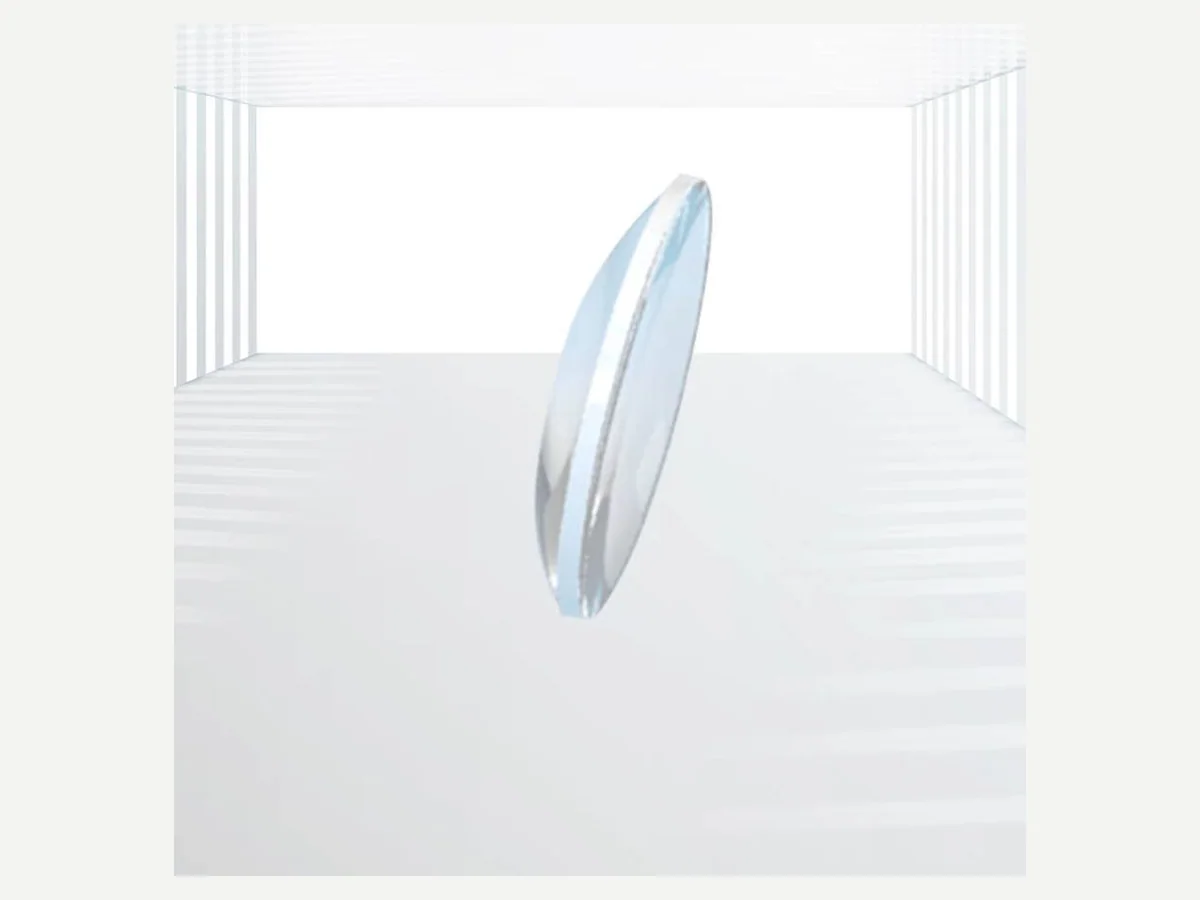
TO-PCX-NBK7
N-BK7 Plano-Convex Lens
A single-element positive lens for focusing or collimating light, supplied in N-BK7, H-K9L or UV fused silica to your drawing.
View specification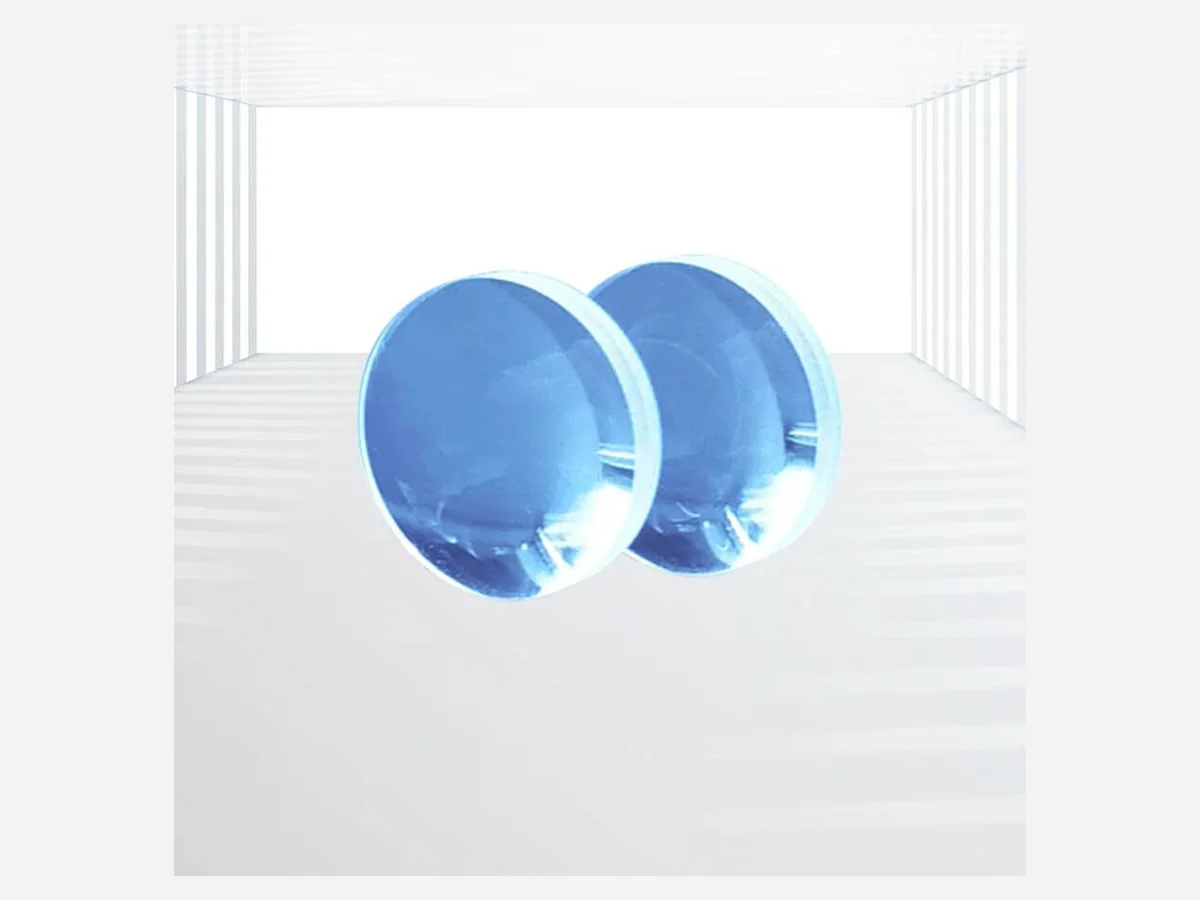
TO-BCX-NBK7
N-BK7 Biconvex Lens
A symmetric positive lens for imaging, relay and focusing where both conjugates are finite or the layout needs a compact element.
View specification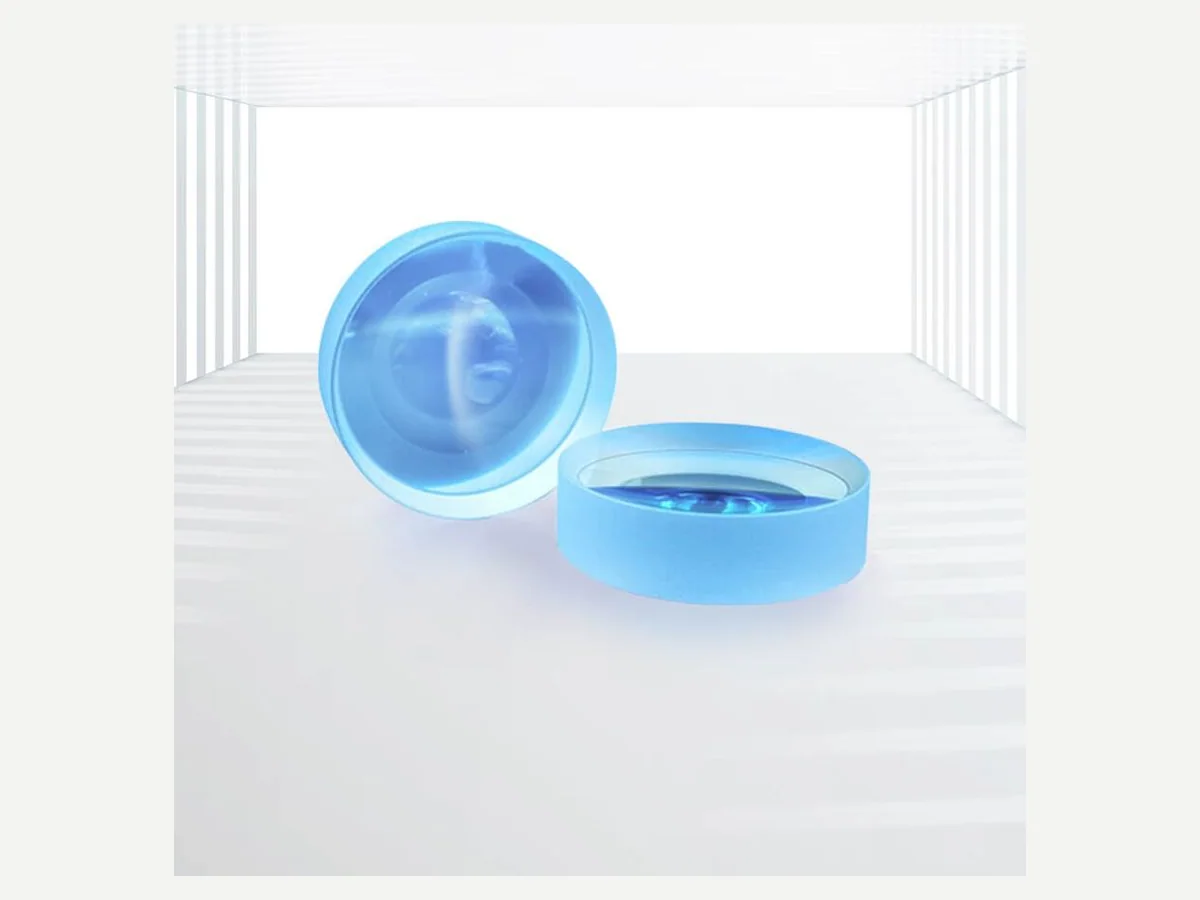
TO-BCV-NBK7
N-BK7 Biconcave Lens
A symmetric negative lens for beam expansion, divergence and balancing positive elements in imaging or laser systems.
View specification